Dark Sky Adventure Guide
Moab After Dark: Stargazing at Arches & Dead Horse Point
Where to look up, when to go, and how to photograph the Milky Way over red rock.
Build Your Dark Sky Adventure KitTrailhead Guide is a participant in the Amazon Services LLC Associates Program, an affiliate advertising program designed to provide a means for sites to earn advertising fees by advertising and linking to Amazon.com. If you buy through our links, we may earn a commission at no extra cost to you.
Why Moab is a great dark sky destination
Southeast Utah has some of the darkest skies in the lower 48 states. Dry desert air, high elevation and few large cities nearby mean the Milky Way can look bright enough to cast faint shadows on a moonless night.
The area is unusually well protected, too. Arches National Park, Canyonlands National Park and Dead Horse Point State Park are all certified International Dark Sky Parks by DarkSky International, which means they manage their lighting to keep the night natural. You can visit two of them from Moab in a single evening.
Stargazing at Arches National Park
Arches is open 24 hours a day, every day. Seasonal daytime timed-entry reservations have applied in recent years, but they cover set daytime hours only—check the National Park Service website for the current rules before you go.
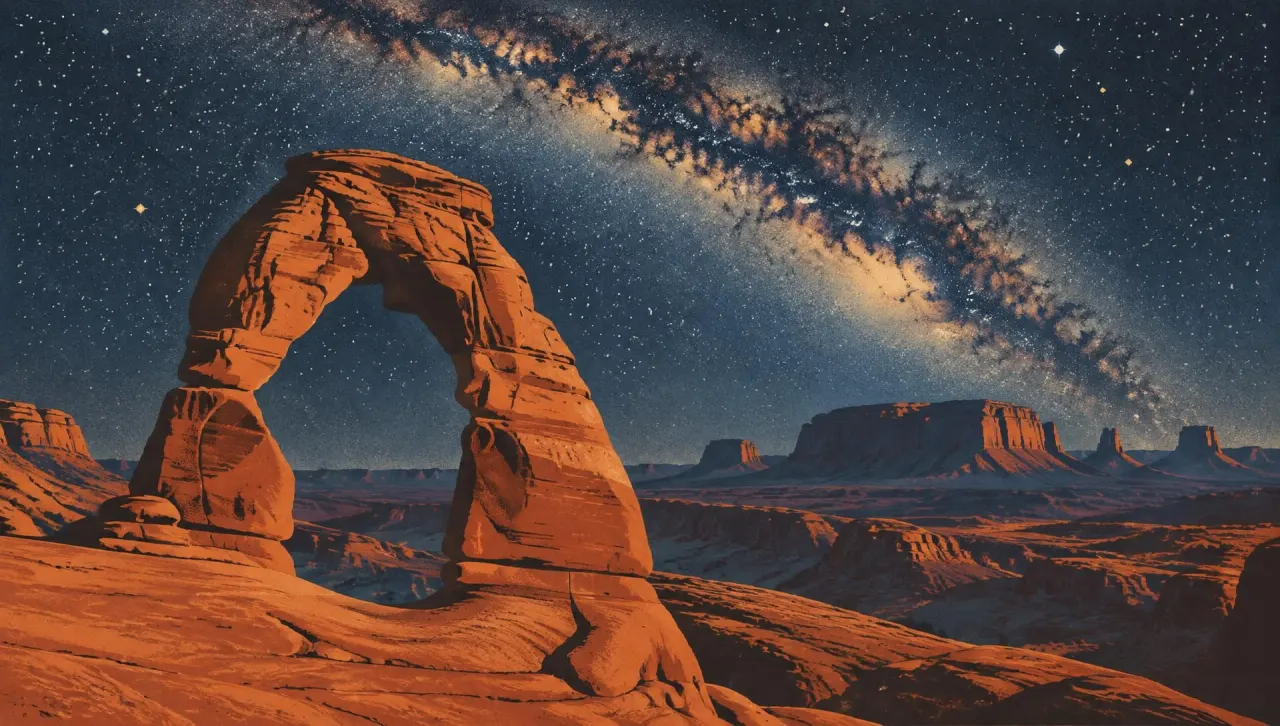
Good night spots include the Windows Section and Balanced Rock, where parking is close to dramatic rock shapes you can frame against the sky. Panorama Point is a pullout set up for wide-open sky views, and the park often hosts ranger night-sky programs in the warmer months.
Stay on trails and slickrock, park only in designated lots, and remember that many popular viewpoints are a short walk from the road—perfect for a first night out.
Stargazing at Dead Horse Point State Park
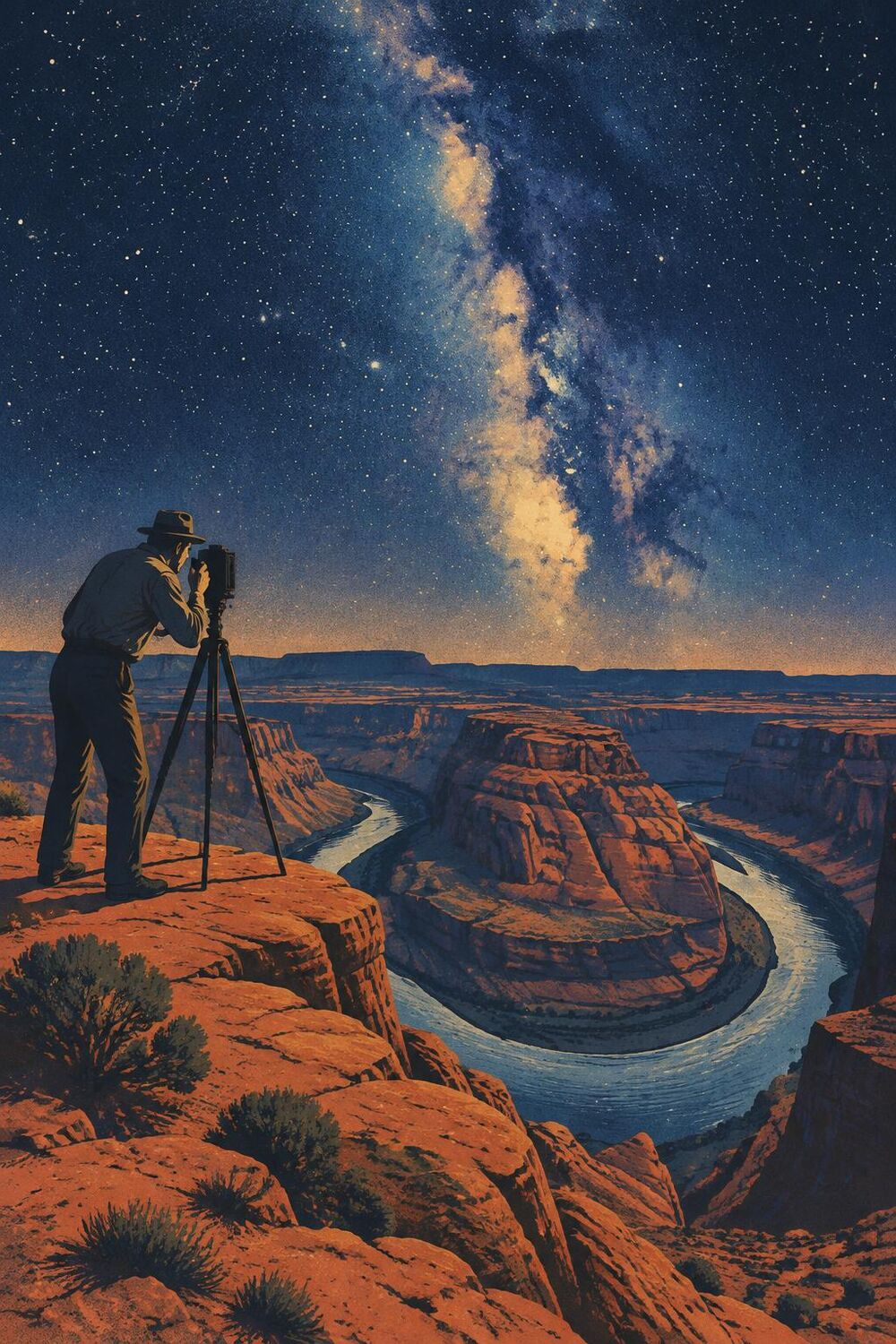
Dead Horse Point State Park sits on a mesa about 2,000 feet above a gooseneck bend of the Colorado River. It became an International Dark Sky Park in 2016, and the park runs star parties on select nights.
Day-use hours are limited, so camping at the park's campgrounds or yurts is the easiest way to stay after dark. Check Utah State Parks for current hours, fees and event dates. The overlook rim is unfenced in places—keep a good distance from the edge at night.
Best times of year and moon phases
The Milky Way's bright core is visible from roughly March through October in the Northern Hemisphere. In spring it rises in the early morning hours; by mid-summer it is up soon after dark, and in early fall it sets in the evening.
Moonlight matters more than season. Plan around the new moon, or the days when the moon sets early or rises late. A bright full moon washes out all but the brightest stars.
Winter skies are crisp and cold, with bright constellations like Orion. Summer brings warm nights but also afternoon storms during monsoon season—check the forecast and watch for lightning.
How to photograph the stars with an affordable camera
You don't need expensive gear. Any camera with manual mode, a lens that opens to about f/2.8, and a steady tripod can capture the Milky Way. Many recent phones also have a night mode that works surprisingly well on a tripod.
Scout your spot in daylight, arrive before full dark so your eyes adjust, and use a red light to work your camera. Shoot in RAW so you can bring out detail and correct color later.
Beginner camera settings
Mode: Manual. Format: RAW.
Aperture: your lens's widest setting (f/1.8–f/2.8).
Shutter speed: start with 15–20 seconds on a wide lens. To keep stars sharp, divide 500 by your lens's focal length (divide again by 1.5 on most crop-sensor cameras).
ISO: start at 1600–3200 and adjust after checking a test shot.
Focus: switch to manual focus, magnify live view on a bright star or planet, and turn the ring until it is a tiny point.
Shutter trigger: use a remote or the 2-second timer so you don't shake the camera. Turn off image stabilization on a tripod.
Safety and responsible nighttime hiking
Walk only on trails you have seen in daylight. Carry water, layers, a first-aid kit and a fully charged headlamp, and tell someone your plan—cell service is unreliable in much of the area.
Stay well back from cliff edges and arch openings, and never climb on arches. Use red light and point it down to protect other visitors' night vision. Pack out everything, stay on durable surfaces to protect fragile biological soil crust, and keep your distance from wildlife.
Dark Sky Adventure Checklist
Tick items as you pack. Your checks stay on this device; sign in to save them to your account.
0 of 20 packed
Shop the Dark Sky Photography Kit
Three kits, from simply looking up to serious night photography. Links marked "Search on Amazon" open a search rather than a specific product.
Stargazing Essentials
For people who just want to enjoy the night sky.
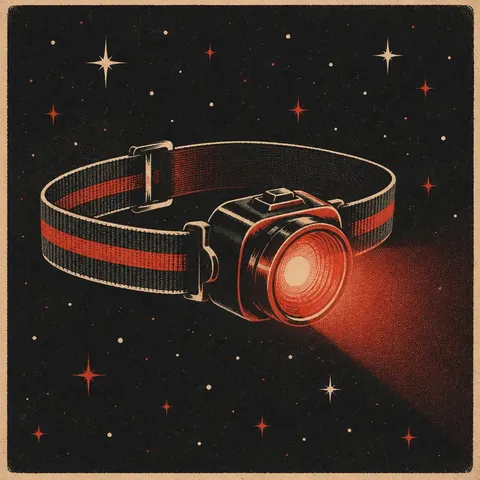 Night Hiking EssentialsBlack Diamond Spot 400-R HeadlampRechargeable headlamp with red-light mode.
Who it's for: For travelers trying to find camera controls or walk back to camp after dark. A headlamp keeps your hands free; red-light mode is useful around stargazers when you keep the beam dim and avoid shining it at others.
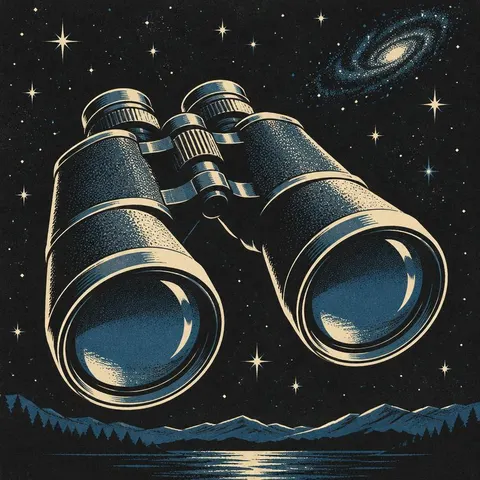 StargazingCelestron Cometron 7x50 BinocularsWide-field binoculars for observing the night sky.
Who it's for: For curious travelers who want to see more of the night sky without packing a telescope. Try scanning a dark sky from a comfortable seat; binoculars complement naked-eye viewing but do not replace a telescope.
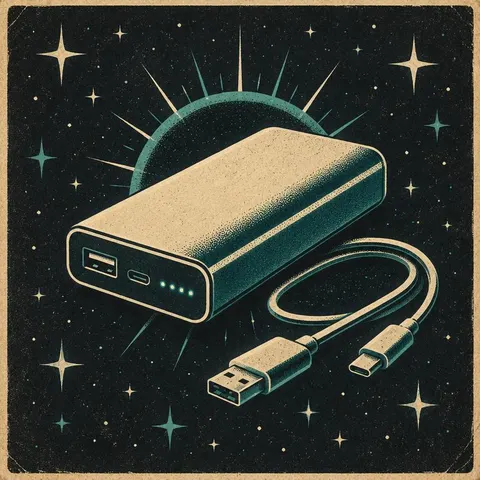 Power and ElectronicsAnker 20,000mAh Power BankPortable backup power for phones and compatible devices.
Who it's for: For travelers who burn through phone battery taking photos, filming and checking maps. If your phone is nearly empty before sunset, this gives you backup power away from outlets. Check the cable and charging support before connecting a camera.
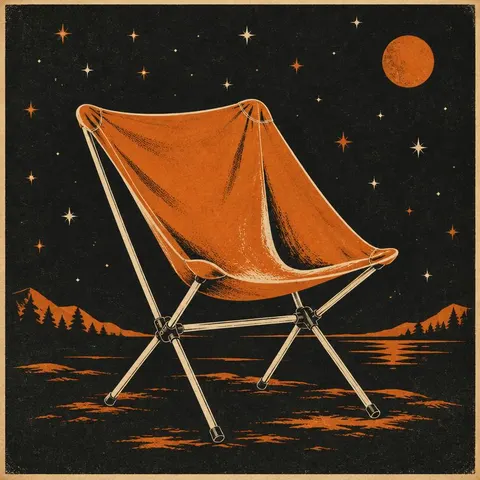 Outdoor ComfortHelinox Chair OneLightweight portable chair for stargazing.
Who it's for: For travelers whose back or legs tire before the stars come out. A portable chair gives you somewhere to rest during a long viewing session; check the packed weight and weight limit before choosing it.
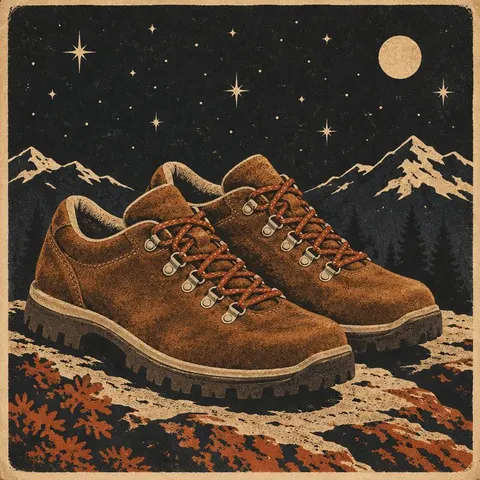 Hiking GearMerrell Moab Hiking ShoesHiking footwear for rocky trails and uneven terrain.
Who it's for: For travelers who want more support than everyday shoes on rocky paths. Consider hiking footwear for uneven terrain and the walk back after sunset; try the fit with your hiking socks before a long outing.
Beginner Night Photography
For first-time astrophotographers.
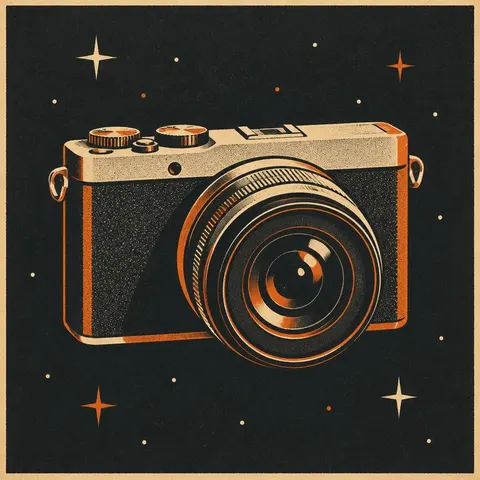 Beginner Night PhotographyCanon EOS R50 Mirrorless CameraAffordable beginner mirrorless camera with manual controls and RAW photography.
Who it's for: For travelers ready to try photography beyond their phone. If you want to learn manual settings and capture night-sky scenes, this is a starting point; pair it with a compatible lens and tripod, and expect to practice.
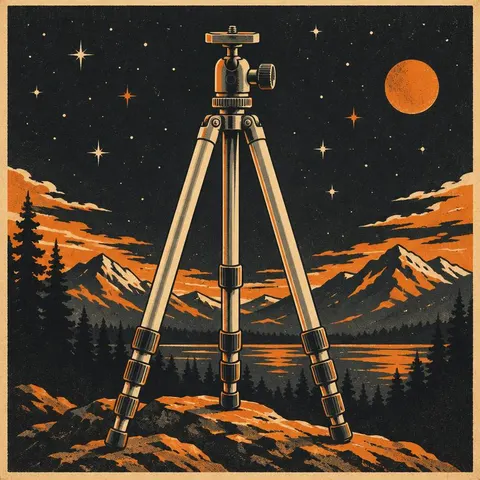 Photography AccessoriesK&F Concept Travel TripodPortable tripod for stable long-exposure photography.
Who it's for: For photographers whose night photos blur when handholding the camera. Set up at an overlook for a long exposure without carrying a large studio tripod; check its load rating against your camera and lens.
- Night Hiking EssentialsBlack Diamond Spot 400-R HeadlampRechargeable headlamp with red-light mode.
Who it's for: For travelers trying to find camera controls or walk back to camp after dark. A headlamp keeps your hands free; red-light mode is useful around stargazers when you keep the beam dim and avoid shining it at others.
- Power and ElectronicsAnker 20,000mAh Power BankPortable backup power for phones and compatible devices.
Who it's for: For travelers who burn through phone battery taking photos, filming and checking maps. If your phone is nearly empty before sunset, this gives you backup power away from outlets. Check the cable and charging support before connecting a camera.
Photography Upgrade
For photographers ready to step up to an interchangeable-lens kit.
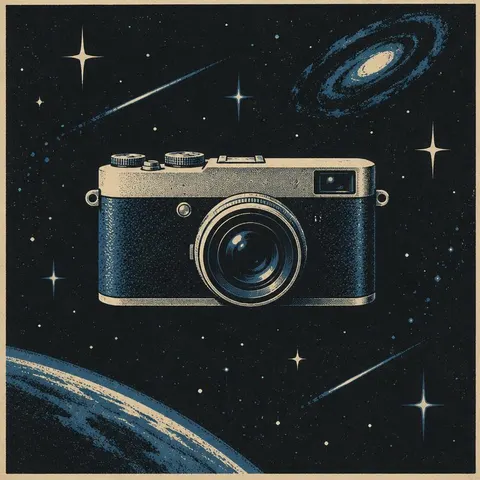 Photography UpgradeSony a6400 Mirrorless CameraMirrorless camera with interchangeable lenses and manual exposure controls.
Who it's for: For photographers ready to build a more hands-on travel kit. If you want interchangeable lenses and manual exposure for night scenes, this Sony body gives you a platform; budget for a suitable lens and tripod too.
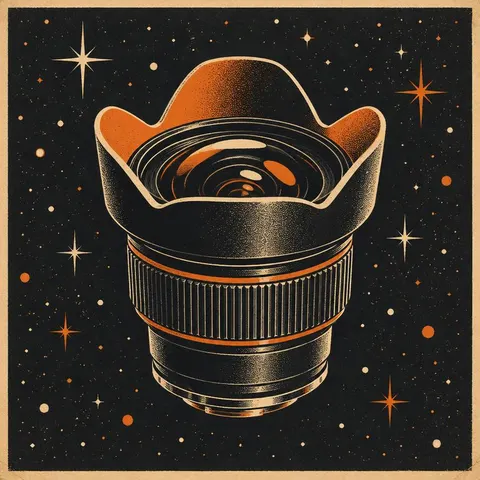 Astrophotography LensesRokinon 12mm f/2 Wide-Angle Lens (Sony E-Mount)Bright wide-angle lens for photographing stars and landscapes. Fits Sony APS-C E-mount cameras only.
Who it's for: For Sony APS-C E-mount users who cannot fit enough of the sky into a shot. A wide, bright lens suits Milky Way scenes with a landscape foreground. This Sony-mount version does not fit the Canon R50.
- Photography AccessoriesK&F Concept Travel TripodPortable tripod for stable long-exposure photography.
Who it's for: For photographers whose night photos blur when handholding the camera. Set up at an overlook for a long exposure without carrying a large studio tripod; check its load rating against your camera and lens.
- Night Hiking EssentialsBlack Diamond Spot 400-R HeadlampRechargeable headlamp with red-light mode.
Who it's for: For travelers trying to find camera controls or walk back to camp after dark. A headlamp keeps your hands free; red-light mode is useful around stargazers when you keep the beam dim and avoid shining it at others.
- Power and ElectronicsAnker 20,000mAh Power BankPortable backup power for phones and compatible devices.
Who it's for: For travelers who burn through phone battery taking photos, filming and checking maps. If your phone is nearly empty before sunset, this gives you backup power away from outlets. Check the cable and charging support before connecting a camera.
Trailhead Guide is a participant in the Amazon Services LLC Associates Program, an affiliate advertising program designed to provide a means for sites to earn advertising fees by advertising and linking to Amazon.com. If you buy through our links, we may earn a commission at no extra cost to you.